Retro Smile: A Playful Script for Modern Branding
More Than Just a Pretty Typeface
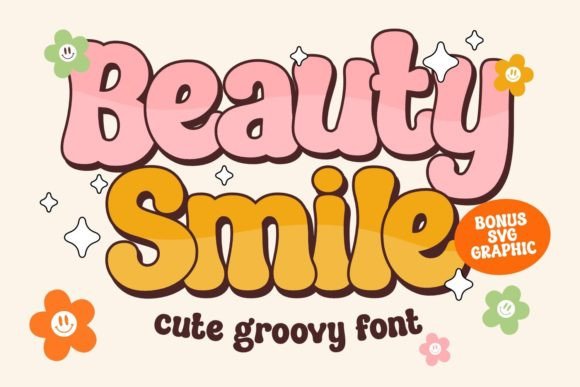
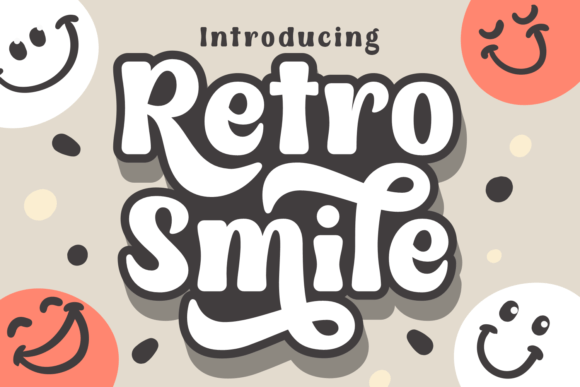
When you first encounter Retro Smile, it’s hard not to feel a spark of recognition. This is a display font that wears its personality on its sleeve—or rather, in its swooping curves and quirky, hand-lettered forms. It’s a script font that feels both nostalgic and surprisingly current. Think of the lettering on a beloved vintage cereal box or the logo of a mid-century diner, but cleaned up and optimized for today’s digital and print landscapes. The charm isn’t just in its retro aesthetic; it’s in the playful energy it injects into a project. As a premium font, it’s crafted with attention to detail, offering more than a single style. It’s a versatile design asset that can become a cornerstone of a cohesive visual language.
The personality of Retro Smile is approachable and joyful. Its letterforms have a slight bounce and a casual, handwritten quality that avoids looking too perfect or sterile. This makes it an excellent choice for projects aiming to feel human, authentic, and engaging. It’s a creative font that steps away from the cold precision of many modern sans-serifs, offering a warmer alternative. The overall appeal lies in its ability to communicate fun and creativity without sacrificing legibility, a common pitfall for more ornate script fonts. It strikes a balance, making it a practical tool rather than just a decorative novelty.
Where Retro Smile Truly Shines
Choosing the right typeface is about matching the tool to the task. Retro Smile excels in contexts where personality and warmth are paramount. For logo design, especially for brands in the food and beverage, boutique retail, artisan goods, or children’s products space, it can instantly establish a friendly and memorable brand identity. Imagine it on the logo for a craft coffee roaster, a handmade soap company, or a local bakery—it immediately sets a tone of care and charm.
Beyond logos, its strengths extend into several key areas:
- Packaging Design: This is where the font’s vintage vibe can be particularly effective. It can evoke a sense of tradition, quality, and handcrafted care, helping a product stand out on a crowded shelf.
- Editorial and Web Design: Used strategically for headlines, pull quotes, or section titles, it can break up the monotony of body text in blogs, magazines, or website hero sections. It adds visual interest and guides the reader’s eye.
- Social Media Graphics: In the fast-scrolling world of social platforms, a distinctive headline font like Retro Smile can stop the thumb. It’s perfect for creating engaging quotes, promotional announcements, or story highlights that feel personal and shareable.
- Print Collateral: From wedding invitations and greeting cards to business cards and event posters, it adds a bespoke, celebratory touch. For publishing, it can work well for book titles or chapter headings in certain genres.
Making It Work: Practical Guidance for Designers and Creators
Adopting a new display font like Retro Smile requires a bit of strategy to ensure it enhances rather than hinders your project. First, consider readability. While it’s designed for clarity at headline sizes, it’s not meant for long paragraphs of body copy. Its role is to grab attention and set a mood. Pair it with a clean, highly readable serif font or sans serif font for supporting text. A classic combination might be Retro Smile for the main headline with a font like Lora or Open Sans for the subheads and body text. This creates a clear visual hierarchy and ensures your message is communicated effectively.
Evaluate its fit with your project’s core message. Does the brand or content aim for professionalism and seriousness? If so, a playful script might send the wrong signal. However, if the goal is to convey creativity, approachability, nostalgia, or fun, then Retro Smile is a strong candidate. Always test the font in context. Mock up a logo, a social media post, or a packaging label to see how it interacts with your color palette, imagery, and other design assets.
For commercial use, the fact that Retro Smile is PUA encoded is a significant practical benefit. This means all the alternate characters, ligatures, and special glyphs are accessible through standard software like Adobe Illustrator, Photoshop, or even Canva. You don’t need specialized font software to use its full range of stylistic options, which is a major plus for small business owners, bloggers, and creators who may not be typography experts. When licensing a commercial font, always review the terms to ensure it covers your intended use, whether for a client project, a product for sale, or digital distribution.
Ultimately, the best way to know if a font works is to experiment. Download a test version if available, create some quick comps, and get feedback. A font like Retro Smile can be a powerful component in your modern typography toolkit, bridging the gap between vintage charm and contemporary design needs. Its value lies not just in its aesthetic appeal, but in its ability to help you build a more engaging and recognizable visual world for your brand or project.