Arshaq: Crafting Elegance in Arabic Typography
When you're working on a project that demands attention—whether it's a brand identity, a striking poster, or a memorable logo—the typeface you choose carries immense weight. For projects requiring Arabic script, this choice becomes even more critical, as the font must honor the language's rich calligraphic tradition while serving modern design needs. This is where Arshaq, a premium Arabic display font, enters the conversation. It’s not just another typeface; it’s a carefully crafted tool designed to bring elegance and visual impact to every letterform.
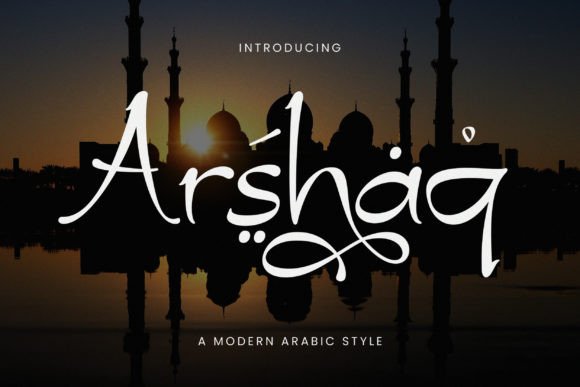
At its core, Arshaq is a display font, meaning its primary strength lies in headlines, logos, and short, impactful text blocks rather than long-form body copy. Its design is a thoughtful blend of classical Arabic script aesthetics and contemporary flair. The letters feature graceful, flowing strokes with a balanced rhythm, creating a sense of sophistication and fluidity. The overall personality is one of refined beauty—it feels luxurious, cultured, and intentionally designed. Unlike some overly ornate fonts that sacrifice clarity for style, Arshaq maintains a strong sense of legibility at its intended sizes, making it a practical choice for designers who need both form and function.
Where Arshaq Truly Shines: Practical Applications
Understanding a font's ideal environment is key to using it effectively. Arshaq excels in scenarios where first impressions and visual hierarchy are paramount. Think of it as the headline act, not the supporting cast.
- Logo Design & Brand Identity: For businesses targeting Arabic-speaking markets, a logo sets the tone. Arshaq can provide an instant sense of prestige and quality. It works exceptionally well for luxury brands, high-end services, cultural institutions, or any business wanting to project elegance and tradition with a modern edge. The font's unique character helps in creating a brand identity that is both recognizable and deeply resonant.
- Editorial & Packaging Design: In editorial design, such as magazine covers or chapter headings in books, Arshaq commands attention without overwhelming the page. Similarly, in packaging design for products like perfumes, gourmet foods, or artisanal goods, it adds a layer of perceived value and craftsmanship. The font's aesthetic can make a product feel more exclusive.
- Marketing & Digital Presence: For social media graphics, website hero sections, or digital ads, a strong display font like Arshaq can stop the scroll. Its distinctive style makes text-based visuals more engaging. When used for a website's main title or key promotional banners, it establishes a strong visual hierarchy that guides the viewer's eye. It's a creative font that translates well to pixels.
- Event & Invitation Design: Wedding invitations, gala programs, award certificates—these are projects where elegance is non-negotiable. Arshaq's beautiful script-like qualities make it a natural fit for such formal and celebratory communications, adding a personal, handcrafted touch that feels special.
The Strategic Impact of Choosing the Right Typeface
Selecting a font like Arshaq is more than an aesthetic decision; it's a strategic one that influences how your message is perceived. The right typeface directly affects readability and visual hierarchy. In a headline, Arshaq's clear letterforms ensure the main message is understood instantly, even at a glance. Its strong presence naturally creates a top-tier hierarchy, separating primary information from supporting text.
Furthermore, font choice is a powerful driver of brand perception. Using a sophisticated, custom-feeling font like Arshaq can elevate a brand, making it appear more professional, established, and trustworthy. This contributes to consistency across all touchpoints—from a business card to a website header—reinforcing brand recognition every time a customer interacts with it. In a crowded market, this kind of visual consistency builds familiarity and trust.
A Practical Guide to Implementing Arshaq
Integrating a new font into your workflow requires a bit of strategy. Here’s how to approach using Arshaq effectively:
- Evaluate the Project Fit: First, assess if a display font is appropriate. If your project is primarily long-form Arabic text, you'll need a highly readable serif or sans-serif body font. Arshaq is your tool for headlines, logos, and short, impactful phrases. Ask yourself: does the project call for elegance and impact?
- Master Font Pairing: A premium font like Arshaq deserves a complementary partner. For body text, pair it with a clean, neutral sans serif font or a highly readable serif font. The contrast should be clear: Arshaq for the hero moments, its partner for the supporting narrative. Avoid pairing it with other ornate script fonts or handwritten fonts, as this can create visual chaos. Let Arshaq be the star.
- Review Included Styles & Licensing: Before purchasing, check what's included. Does the font family come with different weights or stylistic alternates? More importantly, understand the commercial font license. Ensure it covers your intended use—whether for a client's logo, merchandise, or digital distribution—to avoid legal issues down the line. Reputable foundries provide clear licensing terms.
- Test for Readability in Context: Always test the font in your actual design environment. How does it look at the size you plan to use it? Does it render well on screen and in print? Check the spacing between letters (kerning) and ensure key characters are distinct. A beautiful font that causes confusion defeats its purpose.
In the world of modern typography, having the right design assets is crucial. Arshaq is more than just a collection of glyphs; it's a specialized tool for designers, marketers, and creators who need to communicate with power and beauty in Arabic. By understanding its strengths and applying it thoughtfully, you can leverage this creative font to enhance your projects, strengthen your brand's visual language, and connect with your audience on a deeper, more aesthetic level. It’s about choosing a typeface that doesn’t just display words, but elevates them.